Add your promotional text...

Hypnotherapy for Anxiety Relief
Explore how hypnotherapy reduces anxiety, rewires thought patterns, and promotes lasting calm by working with the subconscious mind.
HYPNOTHERAPY
Joseph Drumheller
4/5/20265 min read
Have you ever wondered if there is anything you can holistically do about your anxiety? The answer is absolutely yes!
Anxiety has become one of the most common mental health challenges of the modern era. Millions of people struggle daily with racing thoughts, chronic worry, tension, and a persistent sense that something is wrong—even when life appears normal. While traditional approaches like medication and talk therapy can be effective, many people are turning to hypnotherapy as a powerful complementary method to calm the mind and restore emotional balance.
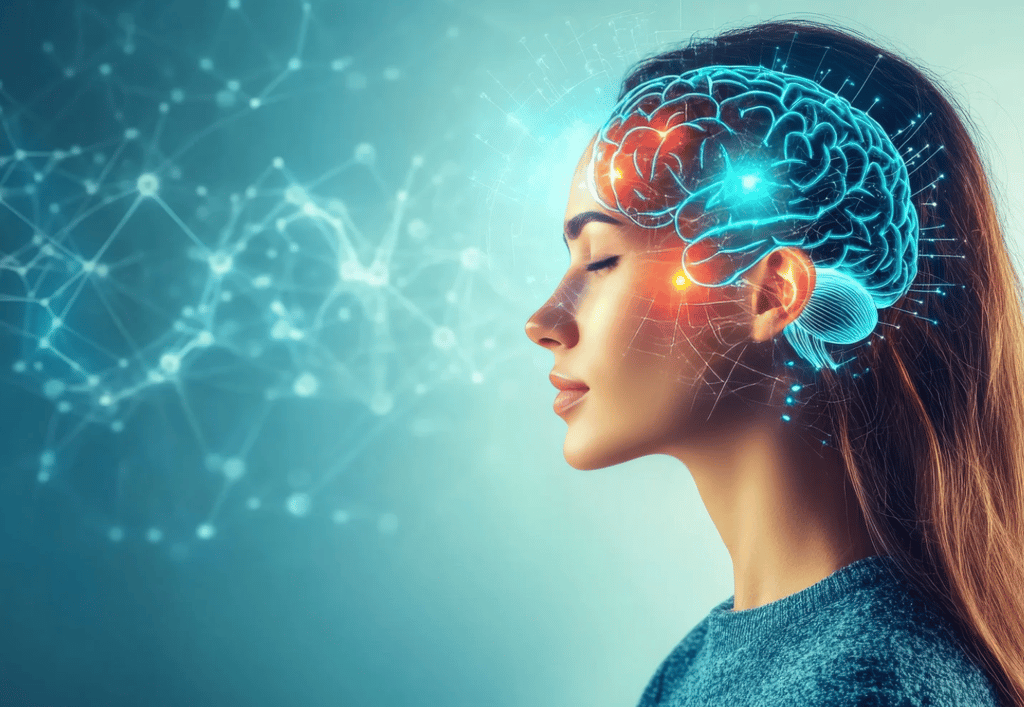
Hypnotherapy works by accessing the subconscious mind—the part of our psychology responsible for habits, emotional patterns, and automatic responses. When used skillfully, this therapeutic method can help individuals rewire anxious thought patterns, reduce stress responses, and create healthier mental habits.
In recent years, research in neuroscience and psychology has begun to confirm what many clinicians have observed for decades: hypnotherapy can significantly reduce anxiety and psychological distress. This growing body of evidence suggests that hypnosis does more than simply relax the mind—it may also influence brain chemistry and neural activity in ways that promote calmness and resilience.
Understanding Anxiety at the Subconscious Level
Anxiety is not just a conscious thought pattern. It often originates in the subconscious mind, where memories, emotions, and learned reactions are stored. When a person experiences anxiety repeatedly, the brain can begin to treat certain situations as threats—even when no real danger exists.
This process activates the body’s fight-or-flight response, flooding the system with stress hormones such as cortisol and adrenaline. Over time, this repeated stress response can make anxiety feel automatic and uncontrollable.
Hypnotherapy addresses this cycle at its root.
During a hypnotherapy session, the practitioner guides the client into a state of focused relaxation known as a hypnotic trance. In this state, the mind becomes highly receptive to constructive suggestions and new perspectives. Old emotional triggers can be reprocessed, and healthier responses can be established.
Instead of fighting anxiety consciously, hypnotherapy works where the anxiety is actually programmed—the subconscious mind.
How Hypnotherapy Enhances Brain Chemistry
One of the most fascinating aspects of hypnotherapy is how it influences the brain’s neurochemical environment.
Research suggests that deep relaxation and focused attention—both key components of hypnosis—can help regulate neurotransmitters associated with mood and stress. These include:
Serotonin, which supports feelings of well-being and emotional stability
Dopamine, associated with motivation and reward
GABA, a neurotransmitter that helps calm neural activity and reduce anxiety
By guiding the brain into a deeply relaxed yet focused state, hypnotherapy can shift the nervous system away from stress-dominant patterns and toward restorative parasympathetic activity.
This shift reduces cortisol levels and promotes a sense of calm throughout the body. Many clients report feeling lighter, clearer, and more emotionally balanced after sessions.
Over time, repeated hypnotic work can help reinforce these calmer neural patterns, effectively training the brain to respond to stress differently.
Scientific Evidence Supporting Hypnotherapy for Anxiety
While hypnotherapy was once viewed with skepticism, modern research is increasingly validating its therapeutic value.
For example, a meta-analysis of multiple studies examining hypnosis and anxiety found significant reductions in anxiety symptoms among participants who received hypnotic interventions. In many cases, the improvements were not only immediate but also sustained over time. (PubMed)
More recent research has also demonstrated promising results. A systematic review of randomized controlled trials found that mindful hypnotherapy significantly reduced psychological distress and stress levels while increasing mindfulness in participants. (PubMed Central)
Other studies have shown that hypnosis can outperform wait-list control groups in reducing symptoms associated with anxiety disorders such as agoraphobia. (PubMed)
Collectively, these findings suggest that hypnotherapy is not merely a relaxation technique—it is a clinically relevant therapeutic intervention with measurable psychological benefits.
Why Hypnotherapy Can Be So Effective
There are several reasons why hypnotherapy is particularly well suited to addressing anxiety.
1. It Works With the Subconscious Mind
Traditional talk therapy operates primarily at the conscious level. Hypnotherapy bypasses intellectual defenses and works directly with subconscious beliefs and emotional conditioning.
2. It Interrupts Stress Patterns
By guiding the nervous system into deep relaxation, hypnosis interrupts the habitual stress response and teaches the brain new ways to respond.
3. It Reframes Emotional Triggers
Many forms of anxiety stem from past experiences or learned associations. Hypnotherapy helps reframe these memories, reducing their emotional charge.
4. It Builds Positive Mental Conditioning
Through positive suggestions and visualization, hypnotherapy reinforces confidence, calmness, and emotional resilience.
The Role of Skilled Hypnotherapists
As with any therapeutic practice, the skill and experience of the practitioner play a major role in outcomes.
One highly respected figure in the field is master hypnotherapist Joseph Drumheller, founder of the JDH Academy of Wellness. Drumheller has dedicated decades to advancing professional hypnotherapy training and clinical practice.
Through his educational programs and mentorship, he has helped train practitioners to apply hypnosis responsibly and effectively in areas such as anxiety relief, trauma recovery, and personal transformation.
Professionals trained in advanced hypnotherapy approaches understand how to safely guide clients through subconscious change while maintaining ethical and supportive therapeutic environments.
What a Hypnotherapy Session Feels Like
Despite common misconceptions, hypnosis does not involve losing control or being manipulated.
In fact, most people describe the hypnotic state as similar to deep meditation or focused daydreaming. You remain aware of your surroundings and can choose whether or not to accept suggestions.
During a typical session:
The therapist guides you into deep relaxation.
Your attention becomes more focused internally.
Positive suggestions and mental imagery are introduced.
The mind begins forming new emotional associations.
Many clients report feeling calm, refreshed, and mentally clear afterward.
Long-Term Benefits for Anxiety
When practiced consistently, hypnotherapy can produce lasting improvements in mental well-being.
Potential benefits include:
Reduced worry and rumination
Improved emotional regulation
Greater self-confidence
Better sleep quality
Increased sense of control over thoughts and reactions
Because hypnotherapy works with subconscious conditioning, many people find that changes occur naturally and effortlessly over time.
Instead of constantly battling anxiety, they begin to experience calm as their new normal.
A New Perspective on Mental Wellness
Anxiety often convinces people that they are stuck—that their mind will always race, their body will always tense, and peace will always feel out of reach.
Hypnotherapy challenges that belief.
By working directly with the subconscious mind and enhancing the brain’s natural chemistry of calm, this therapeutic approach offers a powerful path toward emotional freedom.
As scientific research continues to grow and skilled practitioners expand the field, hypnotherapy is increasingly recognized as a valuable tool in the modern mental health landscape.
For many individuals, it represents something profoundly hopeful:
The realization that the mind can learn calm just as easily as it learned anxiety.
And once that shift occurs, a more peaceful life becomes possible. 🌿

To learn more about the fascinating world of Hypnotherapy and anxiety relief, download your free pdf, 10 De-stress Exercises to Alleviate Anxiety. Now is the time to take action and discover the magic of your subconscious mind!